
TYPES OF THREADLIFT THREADS: PDO VS PLLA VS PCL

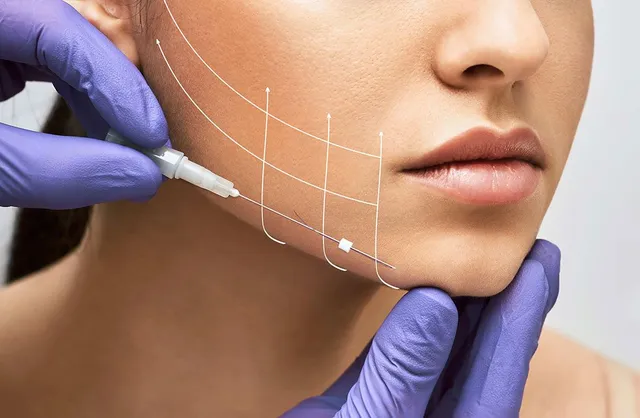
Threadlift is a minimally invasive procedure designed to lift sagging skin and stimulate collagen without surgery. The procedure uses absorbable threads made from different materials such as PDO, PLLA, and PCL.Each type of thread has unique characteristics that influence its lifting strength, duration of effect, and collagen stimulation.

PDO threads are commonly used for mild lifting and provide quick, safe results. PLLA threads act more slowly but stimulate collagen over a longer period, making them ideal for deeper facial rejuvenation. PCL threads offer the strongest lift and longest-lasting structural support, as well as prolonged collagen remodeling.

The choice of thread depends on factors such as age, skin condition, the severity of sagging, treatment goals, and desired longevity.


1. What is PDO (Polydioxanone) Threads

PDO (polydioxanone) is a biodegradable polymer widely used in medical sutures. It is the most common thread material for facial lifting.


Characteristics

  • 1. Dissolves in approximately 6–8 months
  • 2. Available in mono, screw, and cog/barbed threads
  • 3. Provides moderate mechanical lift immediately after placement

Advantages

  • 1. High safety profile with long clinical experience
  • 2. Stimulates collagen production, improving skin texture over time
  • 3. Minimal discomfort and downtime

Duration of Effect

  • Lifting effect lasts 6–12 months, with continued collagen remodeling beyond thread absorption


2. What is PLLA (PolyLLactic Acid) Threads

PLLA is a biodegradable polymer that stimulates collagen over a longer period. It provides structural support while improving skin quality gradually.

Characteristics

  • 1. Absorption takes 12–18 months
  • 2. Often used in threads with cones or bidirectional barbs for anchoring tissue
  • 3. Provides moderate to strong lift, depending on thread design

Advantages

  • 1. Promotes long-term collagen production
  • 2. Provides deeper facial support compared to PDO
  • 3. Ideal for mid- to lower-face rejuvenation

Clinical Use

  • 1. Recommended for patients with moderate sagging seeking longer-lasting rejuvenation
  • 2. Slightly more discomfort than PDO threads due to increased density

3. What is PCL (Polycaprolactone) Threads

PCL is a newer biodegradable thread material with long-lasting lifting power and strong structural support. It is suitable for patients who want durable, high-impact results.

Characteristics

  • – Dissolves over 18–36 months
  • – Strong yet elastic, providing sustained lift
  • – Stimulates collagen, elastin, and extracellular matrix over an extended period

Advantages

  • – Strongest lifting effect of the three thread types
  • – Longest-lasting results
  • – Gradual tissue remodeling improves overall skin quality

Clinical Use

  • – Best for significant facial sagging or patients seeking long-term structural support
  • – Combines mechanical lift with prolonged rejuvenation

How Doctors Choose Thread Types

Doctors select thread types based on multiple factors:

  • – Age – Younger patients often use PDO for subtle lifts, while older patients may benefit from PLLA or PCL for longer-term effects.
  • – Skin Condition & Sagging Severity – Mild laxity: PDO; Moderate sagging: PLLA; Severe sagging: PCL.
  • – Treatment Goals – Quick results: PDO; Gradual collagen remodeling: PLLA; Maximum lift and durability: PCL.
  • – Area of the Face – Thin or delicate areas: PDO or fine PLLA; Jawline/mid-face: PLLA or PCL for stronger support.

Summary:

  • – PDO: Quick lift, moderate collagen, short-term results
  • – PLLA: Gradual collagen stimulation, deeper lift, mid-term results
  • – PCL: Strong lift, long-term support, extensive tissue remodeling

The choice of thread depends on patient-specific factors and desired longevity, and sometimes a combination of thread types is used for optimal results.


References :

  • Hong G, Kim SB, Park SY, Wan J, Yi KH. Thread Lifting Materials: A Review of Its Difference in Terms of Technical and Mechanical Perspective. Clin Cosmet Investig Dermatol. 2024 May 6;17:999–1006. doi:10.2147/CCID.S457352. PMID:38737945; PMCID:PMC11086642. 
  • Hong G, Wan J, Yoon SE, Wong S, Yi KH. Pre and PostProcedural Considerations and Thread Types for Thread Lifting. Life (Basel). 2025;15(1):85. doi:10.3390/life15010085.
  • Singh KV, Thanvi G, Jamwal T, Singh Y, Mishra S, Sisodia A. Threadlift—An expeditious facial rejuvenation. Univ J Maxillofac Oral Sci. 2021;1(1):1–7.

Related Journal

TYPES OF THREADLIFT THREADS: PDO VS PLLA VS PCL

Discover proven therapies that help combat fine lines, wrinkles, and restore youthful vitality to your skin.
Threadlift, Botox, and Filler

Discover proven therapies that help combat fine lines, wrinkles, and restore youthful vitality to your skin.
How Threadlift Works on Facial Skin

Discover proven therapies that help combat fine lines, wrinkles, and restore youthful vitality to your skin.
Is Threadlift Safe?

Discover proven therapies that help combat fine lines, wrinkles, and restore youthful vitality to your skin.