

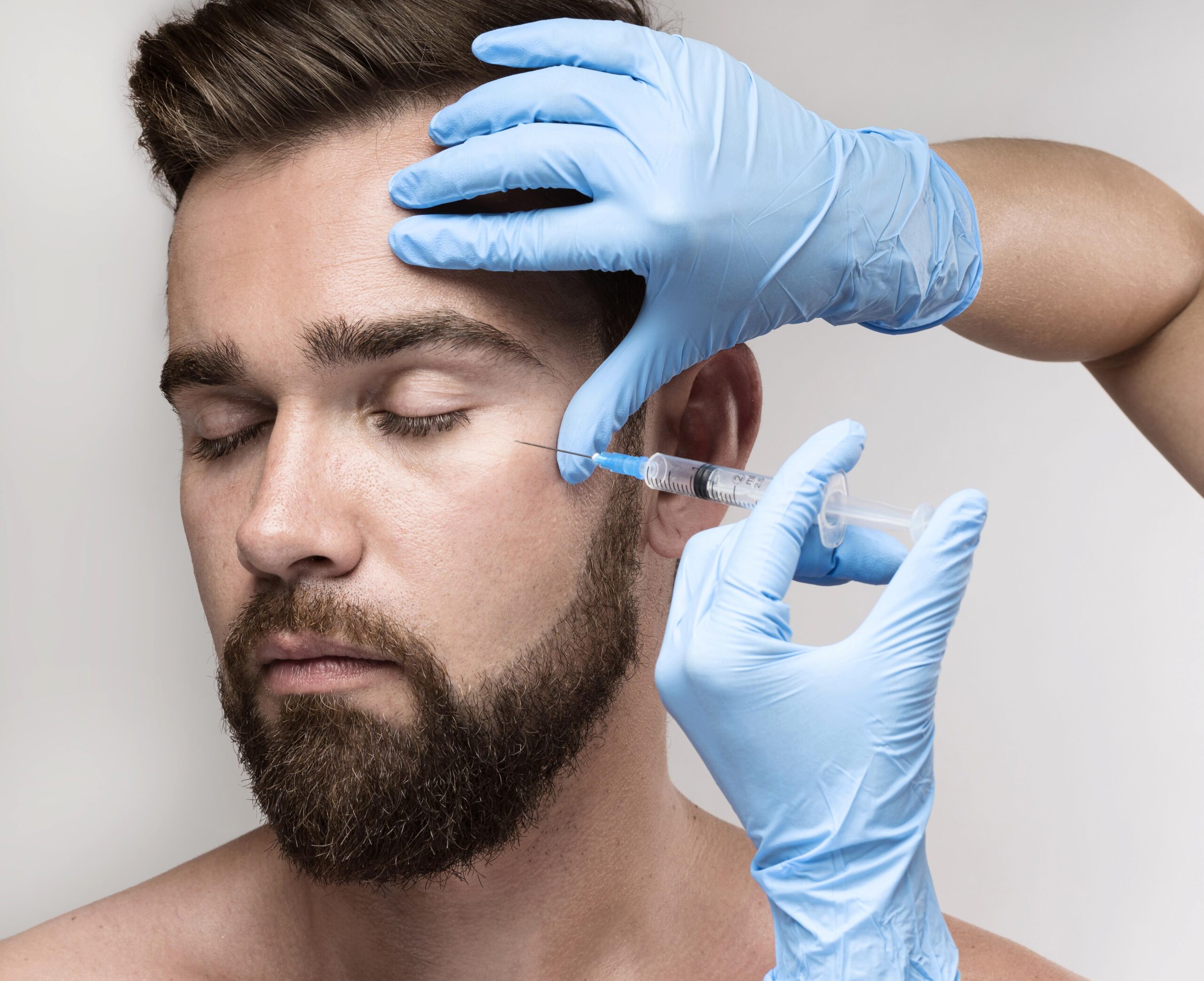
Botox is one of the most popular aesthetic medical treatments worldwide. However, many patients still ask an important question: is Botox safe?
Because Botox affects nerve and muscle activity, safety must always be evaluated from a medical perspective. Before considering treatment, it is important to understand what Botox is and how it works within the body.
When used correctly, Botox is generally considered safe within medical practice.In Indonesia, botulinum toxin is classified as a prescription medical drug and must be administered by licensed doctors. This classification already places Botox under strict medical supervision.
Botox is approved by both the U.S. Food and Drug Administration (FDA) and Indonesia’s National Agency of Drug and Food Control (BPOM) for specific medical and cosmetic uses.
FDA approval: Botox is FDA-approved for various therapeutic and aesthetic indications, including glabellar lines, crow’s feet, forehead lines, chronic migraines, hyperhidrosis (excessive sweating), cervical dystonia, and more.
BPOM approval: In Indonesia, Botox is registered and approved by BPOM for aesthetic purposes, such as reducing facial wrinkles, as well as some therapeutic indications.
Botox works by blocking nerve signals that cause muscle contraction. This mechanism is explained in detail in our article on how Botox works on facial muscles. Because Botox interferes with neuromuscular communication, doctors must evaluate:
facial anatomy
muscle strength
symmetry
medical history
Without proper evaluation, the risk of unwanted side effects increases.
When administered properly, side effects are usually mild and temporary. Common reactions may include:
slight redness at injection site
mild swelling or bruising
temporary headache
Alodokter explains that these effects typically resolve on their own within a few days.
More significant side effects are uncommon but may occur when Botox is not administered correctly.Halodoc notes that incorrect dosage or injection placement may lead to temporary muscle weakness or facial asymmetry.These risks emphasize why Botox should never be performed by non-medical personnel.
Botox may not be suitable for everyone. Doctors may advise against Botox in individuals who:
are pregnant or breastfeeding
have neuromuscular disorders
have active skin infections in the treatment area
This evaluation is part of responsible medical practice and is closely related to Indonesian medical regulation for Botox.
Botox safety also depends on the authenticity of the product used. Diricare explains that Botox should only be administered using approved medical products distributed through official healthcare channels. Using non-registered products increases the risk of unpredictable reactions and reduced safety.
To ensure safety, doctors follow standardized clinical protocols, including:
pre-treatment consultation
precise dosage calculation
anatomy-based injection technique
post-treatment monitoring
These safety principles are applied in professional Botox treatment at NA Clinic Bali.
Because Botox effects are temporary, repeat treatments may be required.Medical evidence shows that when administered appropriately by trained doctors, long-term Botox use does not permanently damage muscles or nerves.
This is also supported by understanding Botox ingredients and how they work within the neuromuscular system.
Botox is generally safe when performed as a medical procedure under proper supervision. Safety depends on correct diagnosis, authentic products, precise injection techniques, and professional medical judgment.
Patients who understand how Botox works and follow proper consultation guidelines can undergo treatment with confidence and realistic expectations.
Medical References
Botox® (Botulinum Toxin Type A) Purified Neurotoxin Complex: Assessment Report. Direktorat Registrasi Obat, Badan Pengawas Obat dan Makanan Republik Indonesia. https://registrasiobat.pom.go.id/files/assesment-reports/01758692065.pdf.
Alodokter. Botox. Alodokter website. https://www.alodokter.com/botulinum-toxin. Accessed 2026 Feb 3.
Halodoc. Botox. Halodoc website. https://www.halodoc.com/kesehatan/botox. Accessed 2026 Feb 3.
Discover proven therapies that help combat fine lines, wrinkles, and restore youthful vitality to your skin.
Discover proven therapies that help combat fine lines, wrinkles, and restore youthful vitality to your skin.
Discover proven therapies that help combat fine lines, wrinkles, and restore youthful vitality to your skin.
Discover proven therapies that help combat fine lines, wrinkles, and restore youthful vitality to your skin.

Schedule Consultation