
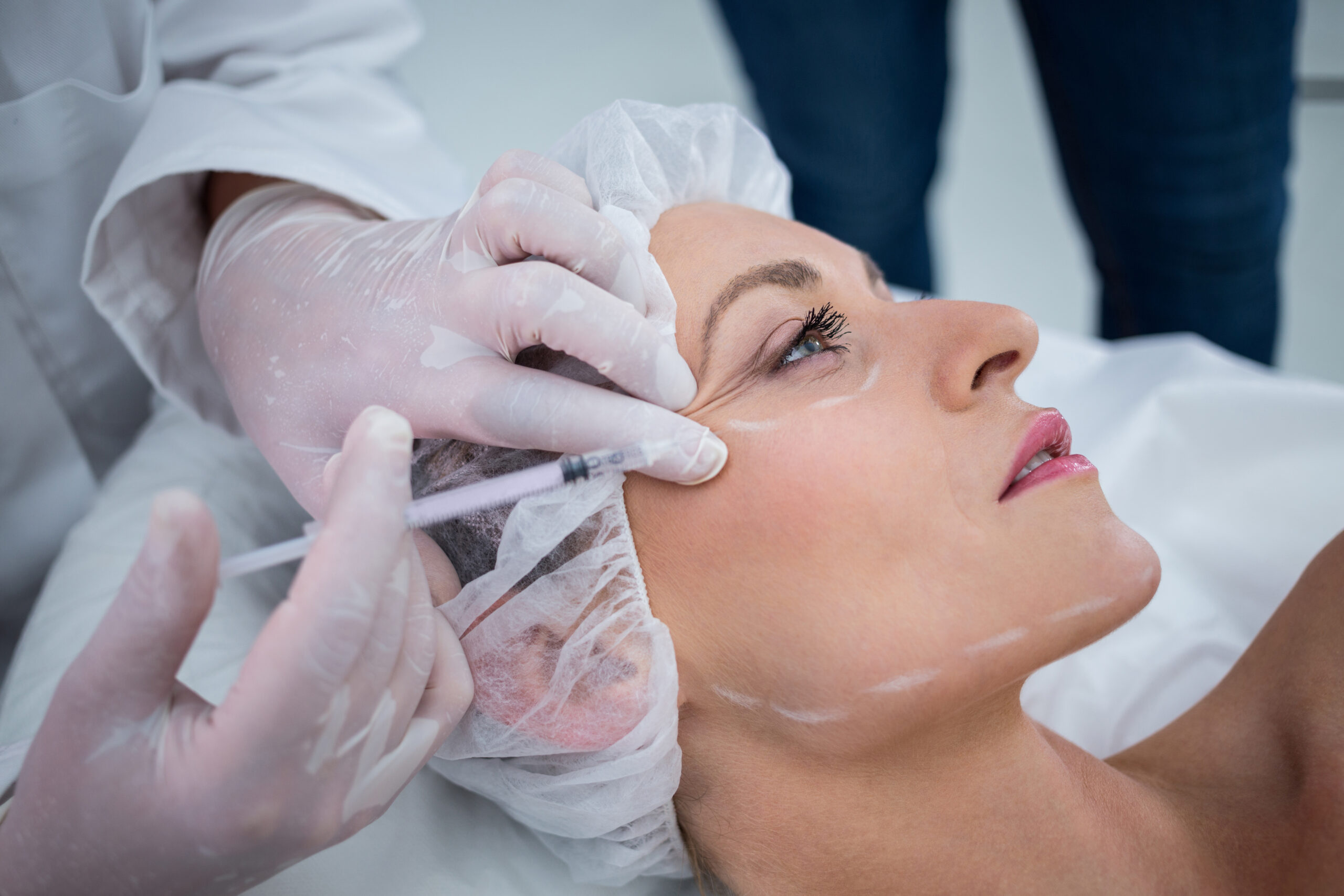
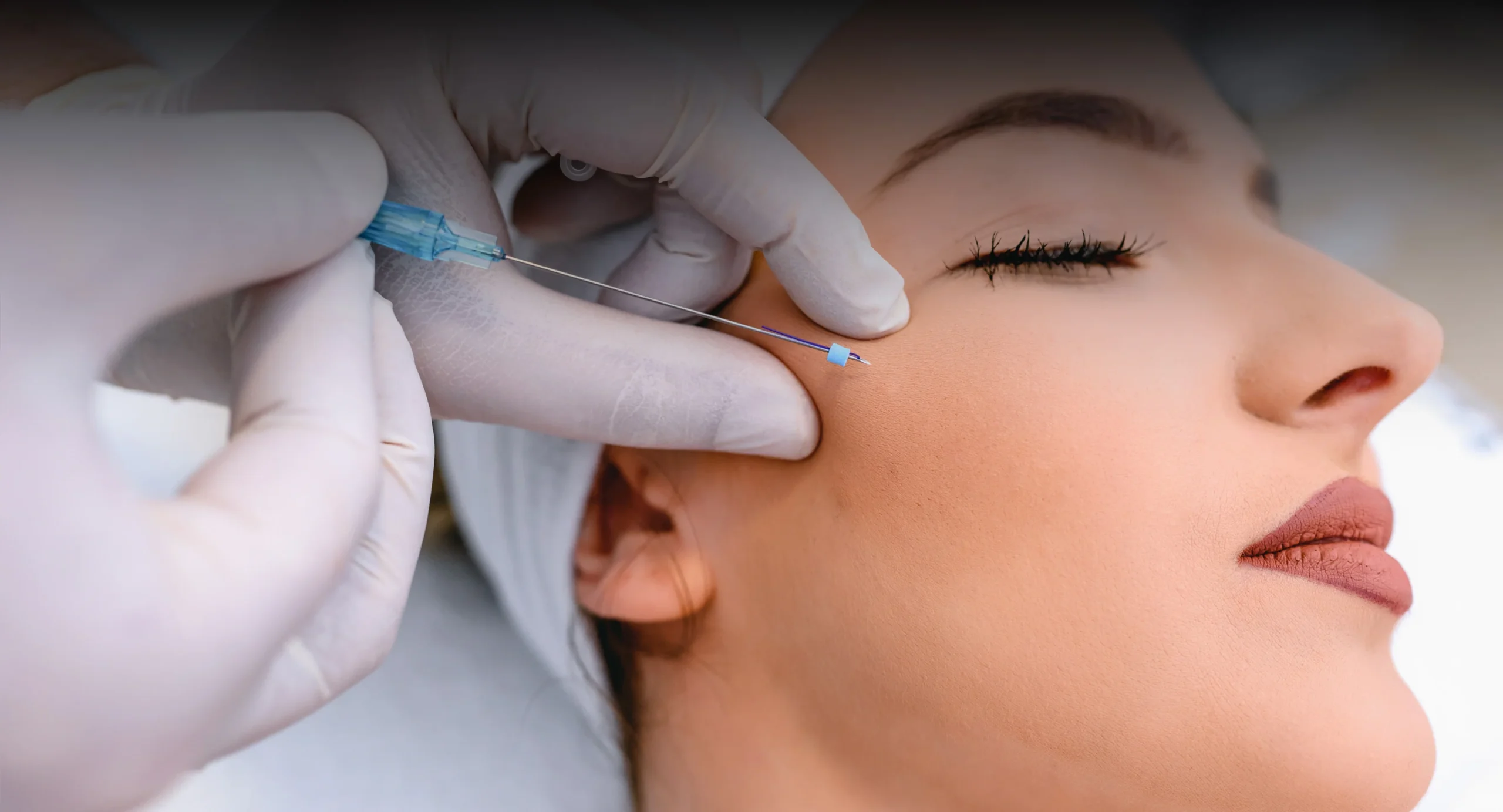
Botulinum toxin (Botox) injection is the most frequently performed cosmetic procedure worldwide. Although it has a wide range of clinical applications, it is most commonly used for the management and treatment of rhytids associated with aging.
Key considerations include indications, contraindications, injection techniques, potential complications, and other essential aspects of botulinum toxin therapy, with emphasis on the role of the interprofessional team in the evaluation and management of patients undergoing this treatment. Understanding how Botox works on facial muscles helps explain why proper technique, dosage, and medical expertise are critical for successful treatment.
If you are new to Botox, you may first read our foundational explanation about what botox is before exploring the muscle-level mechanism discussed in this article.
Facial muscles differ from muscles in other parts of the body. Instead of attaching bone to bone, many facial muscles connect directly to the skin. This unique structure allows facial expressions such as smiling, frowning, or raising the eyebrows. Over time, repeated muscle movement causes the skin to fold in the same areas, leading to what are known as dynamic wrinkles.
These wrinkles commonly appear on:
1.the forehead
2.between the eyebrows
3.around the eyes
Botox targets these muscles to reduce excessive contraction while preserving natural expression.
Read: How Botox Works on Facial Muscles: A Medical Explanation
Normal muscle movement depends on communication between nerves and muscles. When the brain sends a signal, nerve endings release a neurotransmitter called acetylcholine. This chemical binds to receptors on the muscle, triggering contraction. As long as this communication continues repeatedly, wrinkles become deeper and more visible. This basic mechanism is explained further in our article discussing Botox ingredients and how they work
The process includes:
1.Botox enters the nerve terminal
2.Release of acetylcholine is temporarily blocked
3.Muscle contraction is reduced
4.The muscle relaxes
Because the muscle is no longer contracting strongly, the skin above it appears smoother. This effect is localized only to the injected area when administered properly.
common misconception is that Botox permanently damages muscles. In reality, Botox does not destroy nerves or muscle tissue. Instead, the nerve endings gradually regenerate over time and restore their ability to release acetylcholine. This is why Botox results are temporary and typically last between three to six months. The temporary nature of Botox is also an important factor in assessing Botox safety according to doctors
When Botox is administered correctly, facial movement does not disappear completely. Experienced doctors use:
1.precise injection points
2.conservative dosing
3.detailed facial assessment
This approach allows muscles to relax without eliminating expression. The goal is not to freeze the face but to soften excessive muscle activity that causes wrinkles. This medical philosophy is applied in professional Botox treatment at NA Clinic Bali.
Facial anatomy varies between individuals. Differences in muscle strength, symmetry, and expression patterns require personalized treatment planning.
Incorrect injection depth or placement may affect nearby muscles and lead to temporary asymmetry. This is why Botox should only be performed by trained medical professionals with strong anatomical understanding.
Studies using techniques such as facial muscle activity recording have shown that muscles involved in frowning become more active when people are exposed to negative emotional images or sounds.
Together, these findings suggest that treatments like Botox, which temporarily relax specific facial muscles, may not only soften facial lines but also influence emotional experience by reducing negative facial feedback signals. Proper assessment before treatment helps ensure balanced and natural-looking results
The same muscle-relaxing mechanism allows Botox to be used for different indications. Aesthetic indications include:
1.forehead wrinkles
2.frown lines
3.crow’s feet
Medical indications may include:
1.jaw muscle tension
2.bruxism
3.excessive sweating
Each application uses different injection techniques and dosages, reinforcing the importance of medical expertise.
Read: Botox Ingredients and How It Works: A Detailed Medical Guide for Aesthetic Patients
Botox works by temporarily blocking nerve signals that trigger facial muscle contraction. This controlled relaxation reduces dynamic wrinkles while maintaining natural expression when performed correctly.
Understanding the muscle-level mechanism of Botox highlights why proper medical technique, anatomical precision, and professional evaluation are essential for safe and effective results
For detailed procedure information and how Botox is administered at NA Clinic Bali, visit: https://naclinicbali.com/treatments-old/na-classics/botox-2/
Medical References
Indonesian Medical Sources
Alodokter. Botox. Alodokter website. https://www.alodokter.com/botulinum-toxin. Accessed 2026 Feb 3.
Halodoc. Botox. Halodoc website. https://www.halodoc.com/kesehatan/botox. Accessed 2026 Feb 3.
International Medical References
Arora G, Arora S. Where and how to use botulinum toxin on the face and neck – indications and techniques. CosmoDerma. 2021;1:17.
Biello A, Zhu B. Botulinum toxin treatment of the upper face. In: StatPearls [Internet]. Treasure Island (FL): StatPearls Publishing; 2025 Jan-. [Updated 2023 Sep 4]. Available from: https://www.ncbi.nlm.nih.gov/books/NBK574523/
Mayo Clinic. OnabotulinumtoxinA drug mechanism. Mayo Clinic website. https://www.mayoclinic.org/drugs-supplements/onabotulinumtoxina/description/drg-20068101. Accessed February 3, 2026.
Mayo Clinic. Botox injections: overview. Mayo Clinic. https://www.mayoclinic.org/tests-procedures/botox/about/pac-20384658. Accessed 2026 Feb 3.
Discover proven therapies that help combat fine lines, wrinkles, and restore youthful vitality to your skin.
Discover proven therapies that help combat fine lines, wrinkles, and restore youthful vitality to your skin.
Discover proven therapies that help combat fine lines, wrinkles, and restore youthful vitality to your skin.
Discover proven therapies that help combat fine lines, wrinkles, and restore youthful vitality to your skin.

Schedule Consultation