
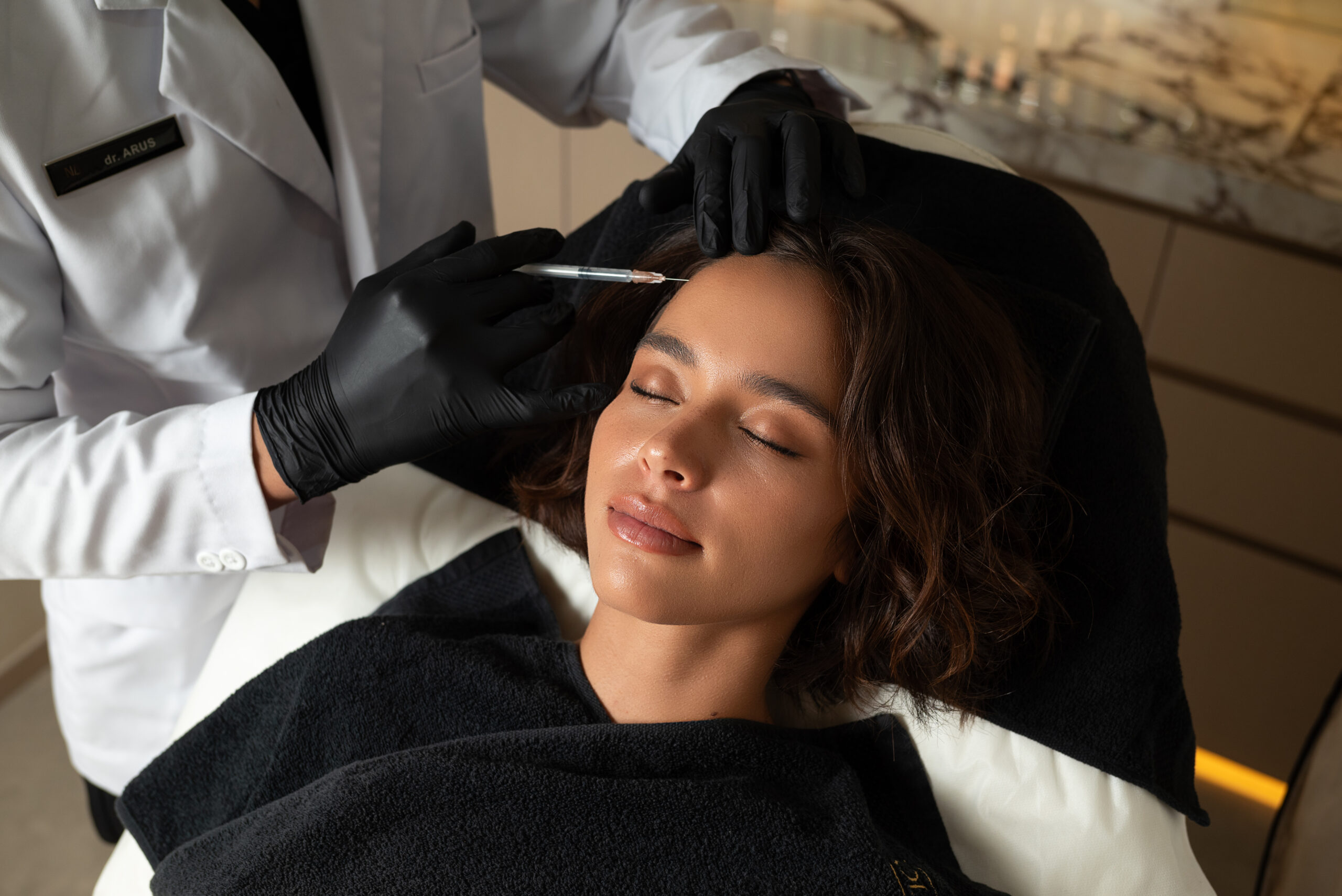
Botox is the commercial name for botulinum toxin, a highly purified neurotoxin derived from the bacterium Clostridium botulinum. Although this toxin can cause botulism in large, uncontrolled amounts, medical-grade Botox is used in extremely small, safe, and controlled doses, making it a well-established and FDA-approved treatment in both medical and aesthetic practice.
Botulinum toxin has been used clinically since the 1970s, initially in ophthalmology for conditions such as strabismus and blepharospasm. Over the past two decades, its use has expanded significantly, particularly in dermatology and aesthetic medicine, where it has become one of the most commonly performed non-surgical cosmetic procedures worldwide.
Botox is produced from Clostridium botulinum, a gram-positive, anaerobic, spore-forming bacterium. There are seven known serotypes of botulinum toxin (A–G); however, only types A and B are used clinically, with botulinum toxin type A (BoNT-A) being the most widely used in aesthetic medicine.
Common medical and aesthetic formulations of BoNT-A include onabotulinumtoxinA (Botox®), abobotulinumtoxinA (Dysport®), and incobotulinumtoxinA (Xeomin®). These products share a similar mechanism of action but differ slightly in diffusion, onset, and duration.
Read: Is Botox Safe? A Medical Explanation According to Doctors
Botox works by temporarily blocking nerve signals to targeted muscles. After injection, the toxin binds to presynaptic nerve terminals at the neuromuscular junction and inhibits the release of acetylcholine, the neurotransmitter responsible for muscle contraction. This occurs through the cleavage of SNARE proteins (particularly SNAP-25), which are essential for neurotransmitter release.
As a result, the treated muscles enter a state of reversible relaxation, reducing excessive or repetitive muscle movement. In the face, this leads to softening of dynamic wrinkles—wrinkles caused by facial expressions such as frowning, squinting, or raising the eyebrows. Botox does not permanently affect nerve function, and muscle activity gradually returns over 3–6 months as new nerve endings regenerate.
Read: How Botox Works on Facial Muscles: A Medical Explanation
In aesthetic medicine, Botox is primarily used to reduce the appearance of dynamic facial wrinkles, including:
1. Glabellar frown lines (between the eyebrows)
2. Forehead lines
3. Crow’s feet (lateral canthal lines)
4. Bunny lines on the nose
5. Perioral lines
6. Platysmal bands of the neck
Botox may also be used to lift the eyebrows, improve facial symmetry, and create a more relaxed and refreshed appearance. In medical practice, Botox is FDA-approved for several therapeutic indications, including chronic migraine, cervical dystonia, blepharospasm, hyperhidrosis (excessive sweating), spasticity, and overactive bladder. It is also widely used off-label for pain management and neuromuscular conditions.
Read: Botox Medical Regulation in Indonesia: What Patients Should Know
Botox is suitable for adult patients who wish to reduce facial wrinkles caused by muscle activity or who seek preventive treatment to slow wrinkle formation. Ideal candidates are individuals who:
1. Have dynamic wrinkles visible during facial expression
2. Are in good general health
3. Have realistic expectations about outcomes
4. Are not pregnant or breastfeeding
5. Do not have neuromuscular disorders such as myasthenia gravis or ALS
Botox is not a filler and does not address volume loss, skin laxity, pigmentation, or texture concerns. A professional consultation is essential to determine whether Botox alone or in combination with other treatments is most appropriate.
Read: Botox Ingredients and How It Works: A Detailed Medical Guide for Aesthetic Patients
At NA Clinic Bali, Botox treatments are performed by trained aesthetic medical professionals using FDA-approved botulinum toxin products. Each treatment plan is personalized based on facial anatomy, muscle activity, aesthetic goals, and safety considerations. The goal is always to achieve natural-looking results while preserving facial expression and harmony. Botox is a safe, effective, and minimally invasive procedure when administered correctly, making it an essential tool in modern aesthetic medicine.
To learn more about the procedure, consultation process, and Botox services, please visit our official page:
https://naclinicbali.com/treatments-old/na-classics/botox-2/
Botox is a safe and effective treatment that temporarily relaxes facial muscles to reduce wrinkles and lines, giving a smoother, youthful appearance. Beyond aesthetics, it is also used medically for conditions like chronic migraines, spasticity, and excessive sweating.
When performed by trained professionals, Botox offers natural-looking results with minimal downtime. At NA Clinic Bali, we provide personalized Botox treatments to help you look and feel your best.
Medical References
1) Satriyasa BK. Botulinum toxin (Botox) A for reducing the appearance of facial wrinkles: a literature review of clinical use and pharmacological aspect.
Clin Cosmet Investig Dermatol. 2019;12:223-228.doi:10.2147/CCID.S202919
2) Padda I, Tadi P. Botulinum Toxin. In: StatPearls [Internet]. Treasure Island (FL): StatPearls Publishing; 2024 Jan-. Available from: https://www.ncbi.nlm.nih.gov/books/NBK557387/
Discover proven therapies that help combat fine lines, wrinkles, and restore youthful vitality to your skin.
Discover proven therapies that help combat fine lines, wrinkles, and restore youthful vitality to your skin.
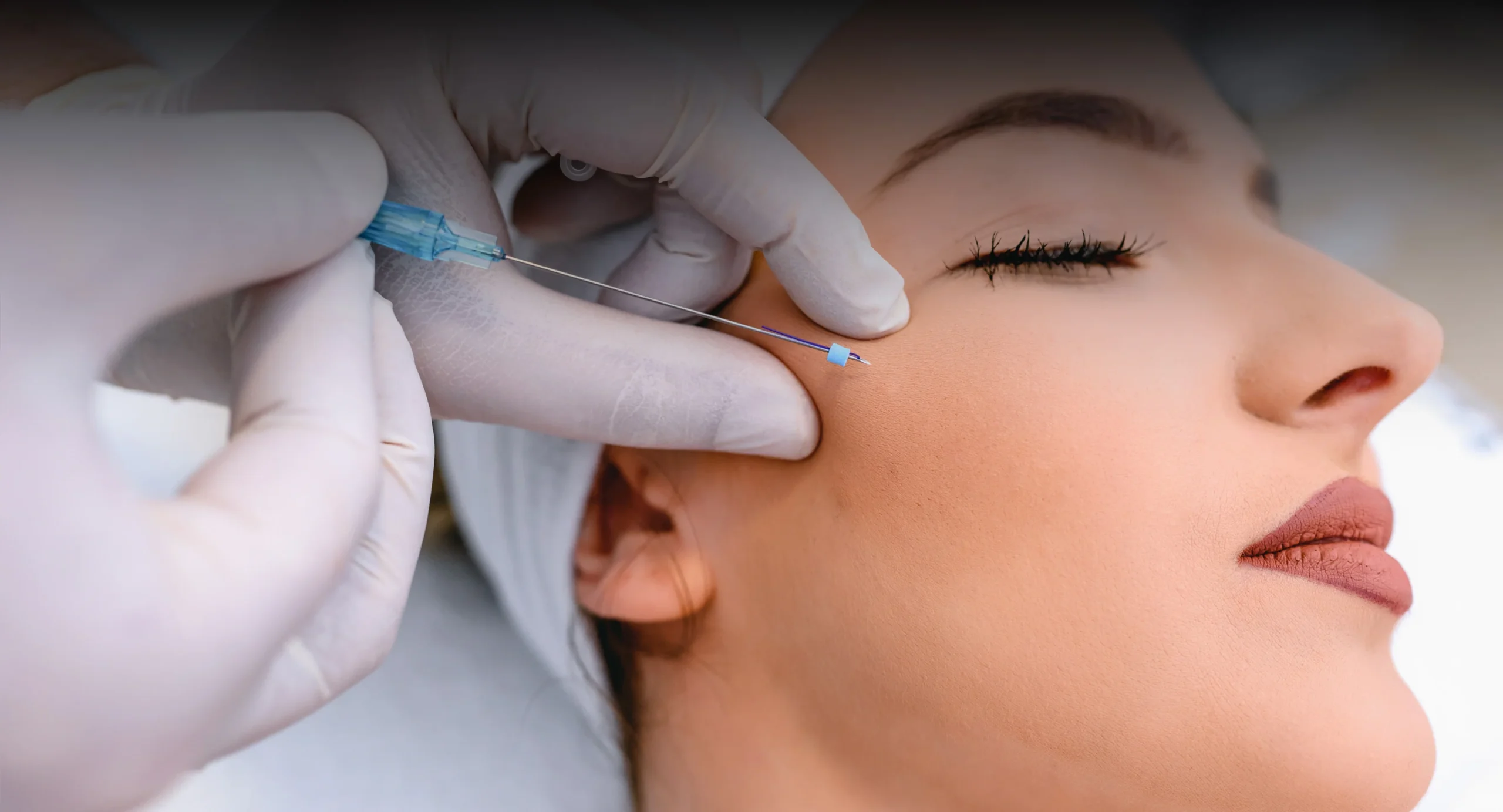
Discover proven therapies that help combat fine lines, wrinkles, and restore youthful vitality to your skin.
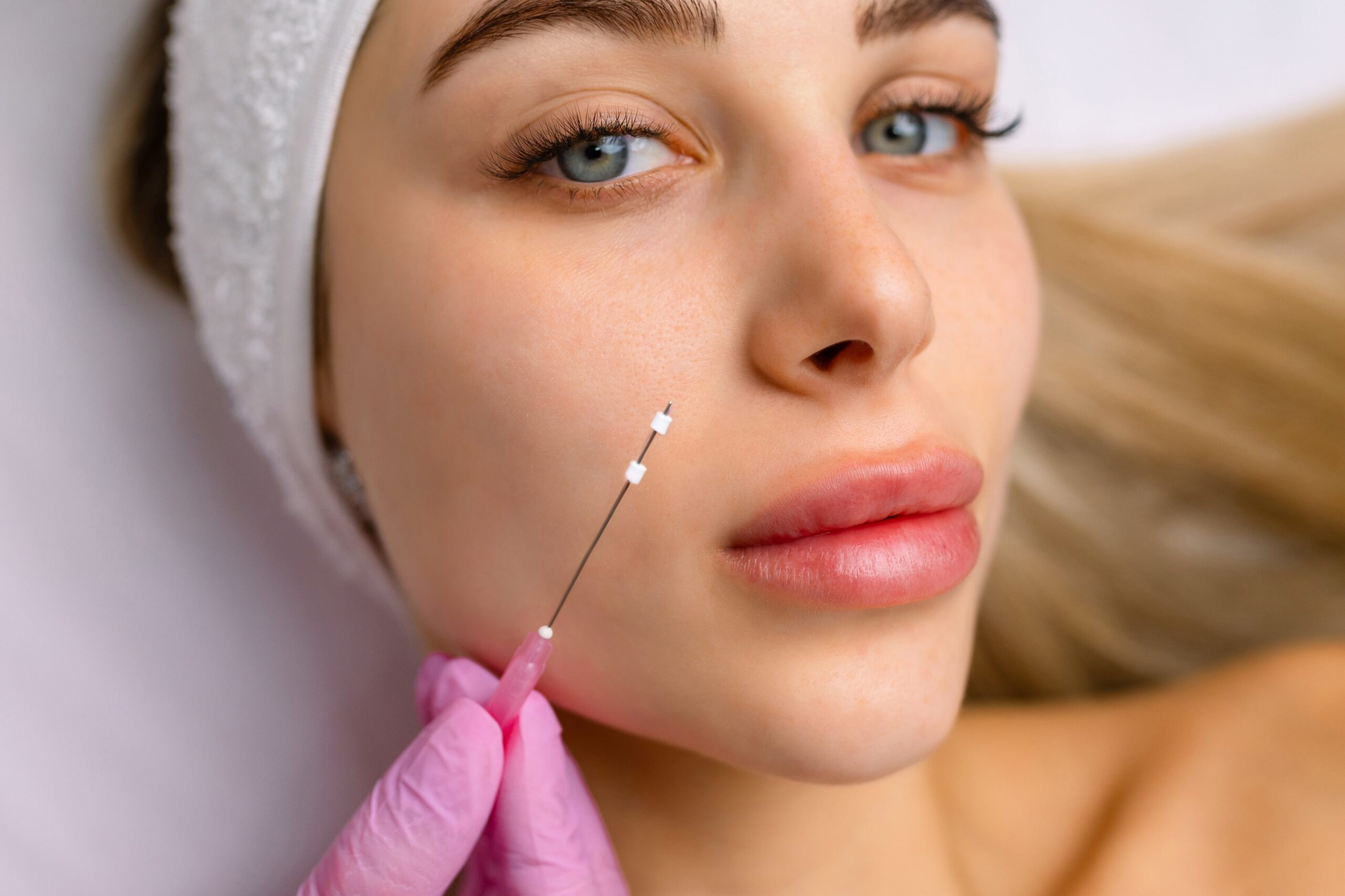
Discover proven therapies that help combat fine lines, wrinkles, and restore youthful vitality to your skin.

Schedule Consultation